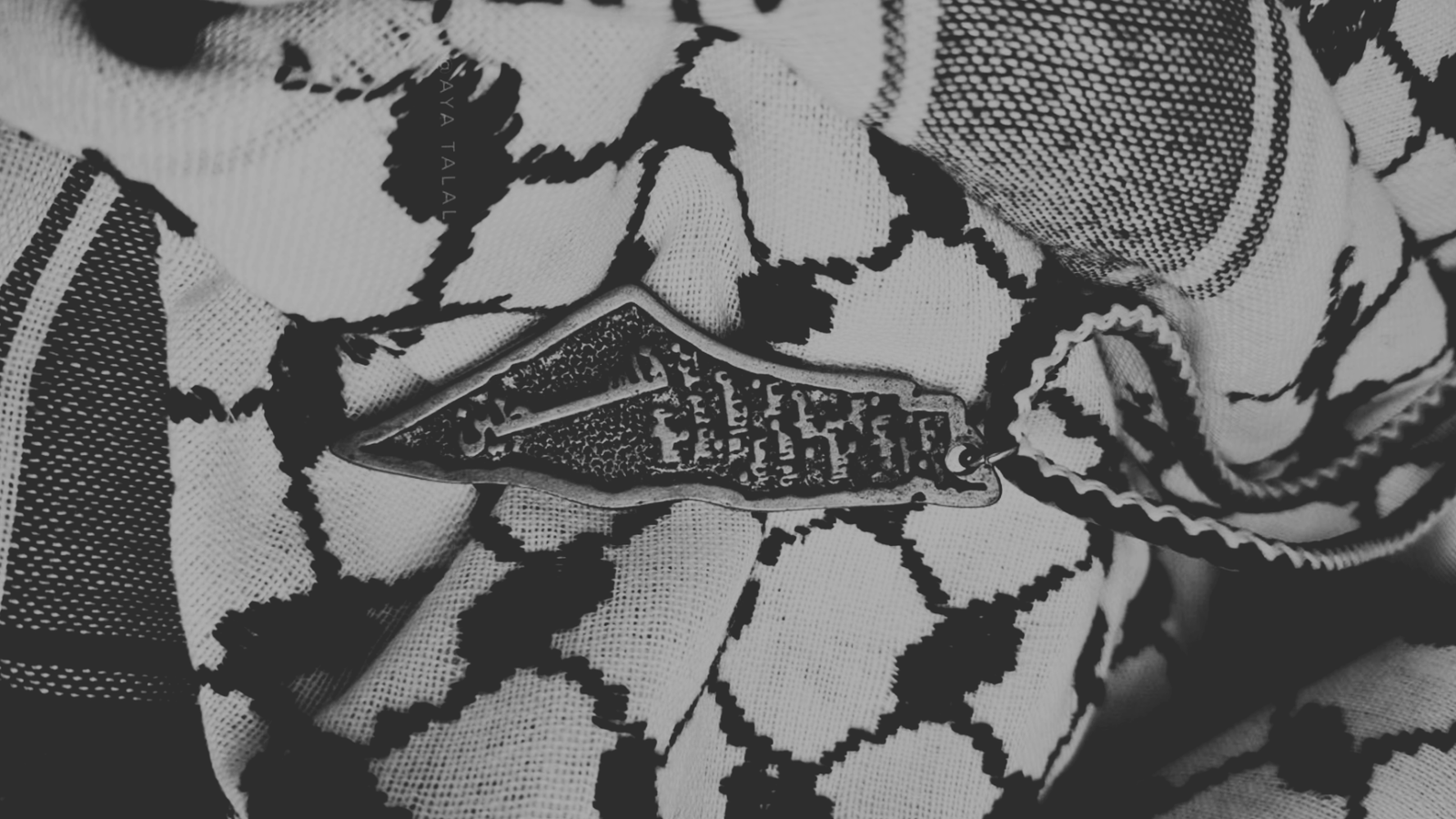

The keffiyeh scarf is a simple square of woven fabric with a long story behind it. It has protected people from sun and sand, signaled identity across generations, and moved from village paths to global runways. This guide brings everything together in one place: what a keffiyeh is, where it comes from, how to wear it well, and how to care for it so it lasts.
What is a keffiyeh scarf
A keffiyeh is a square cotton scarf worn on the head or around the neck. Folded into a triangle, it shields the face from sun, dust, and wind. The classic black-and-white pattern is the most recognized, though other colours exist. Sometimes an agal—a simple cord—holds the scarf in place. Lightweight, breathable fabric is what makes a keffiyeh practical in both hot and cool weather.
Where it comes from and why it matters
The keffiyeh’s roots run deep in West Asian history. Early versions appeared as practical head coverings for people working outdoors and travelling long distances. Over time, the scarf also became a cultural marker. In the twentieth century it moved from everyday utility to emblem, worn widely as a sign of unity and shared identity. Today it continues to carry that meaning while also fitting naturally into modern wardrobes.
Keffiyeh, shemagh, and ghutra: the quick differences
These words get mixed up, but they point to related traditions.
- Keffiyeh: usually lighter, closely tied to the Levant, commonly seen in black-and-white patterns.
- Shemagh: often thicker, strongly associated with the Arabian Peninsula, frequently red-and-white or bold geometric designs.
- Ghutra: typically a plain white square worn across Gulf countries.
All three are square scarves; climate, weave, and local custom shape how they’re worn.
How to wear a keffiyeh scarf:
You only need a few folds to unlock many looks. Start with a flat square and fold it once into a triangle.
Classic wraps
- Traditional head wrap
Place the folded edge across your forehead, let the ends fall to each side, wrap one end around your neck, and tuck. Protective and timeless. - Bandana tie
Tie the two ends behind your head, leaving the triangle to cover the crown or neck. Simple, stable, and great for active days. - Shoulder drape
Lay the triangle over one shoulder with the point on your chest and the ends hanging neatly. Clean and formal without trying too hard. - Head drape with agal
Rest the triangle on your head and secure with an agal if you prefer a looser, airy feel.
Modern looks
- Scarf wrap
Put the triangle’s point at the front of your neck, bring the ends around, and drape or tuck. Works with denim, leather, or a structured coat. - Loose over-shoulder layer
Drape without tying for a relaxed silhouette over shirts, dresses, or knitwear. - Infinity loop trick
Tie two opposite corners, twist into a figure eight, and slip the second loop over your head. Warm, neat, and travel-friendly.
Practical uses beyond style
A thicker weave can shield against wind on hikes or road trips. Campers use a keffiyeh as a light towel, a ground cloth, a first-aid sling, or a quick bag for gear. Because it packs flat and dries fast, it earns a permanent spot in many travel kits. At home, the square doubles as a table cover, curtain panel, chair throw, or photography backdrop.
Materials, quality, and fit
- Fabric: cotton is the gold standard for breathability and comfort. Blends can be more budget-friendly but feel different on the skin.
- Weave: look for an even, tight weave that still feels soft and flexible.
- Size: around one metre per side is a versatile sweet spot for both head wraps and double loops at the neck.
- Finish: tidy tassels and uniform edges help the scarf drape cleanly and last longer.
Care and longevity
- Hand wash in cool water with mild soap.
- Do not wring; press water out gently and lay flat to dry.
- Comb tassels with your fingers to keep edges tidy.
- Store flat or loosely rolled to protect the weave.
Keffiyeh scarf FAQ:
No. Black-and-white is classic, but regional designs include red-and-white and other colourways.
Yes. Use the shoulder drape or a neat scarf wrap, and keep colours neutral so the pattern carries the look.
Both are square scarves. Keffiyehs are usually lighter and tied to Levantine heritage; shemaghs are often thicker and associated with the Arabian Peninsula.
A square of roughly one meter per side gives the most styling flexibility.
Cotton. It breathes, absorbs, and feels comfortable in most climates.
Final word
The keffiyeh scarf sits where function meets meaning. With a few simple folds, it moves from practical protection to confident style without losing the story it carries. Learn the basics, wear it with care, and let the fabric speak for itself.