

The keffiyeh pattern is easy to spot and hard to forget. At first you notice bold checks and soft tassels. Then you look closer and see stories woven into the cloth. This guide explains each motif in a clear way so you can read the scarf with respect and with confidence.
What the keffiyeh pattern shows at a glance
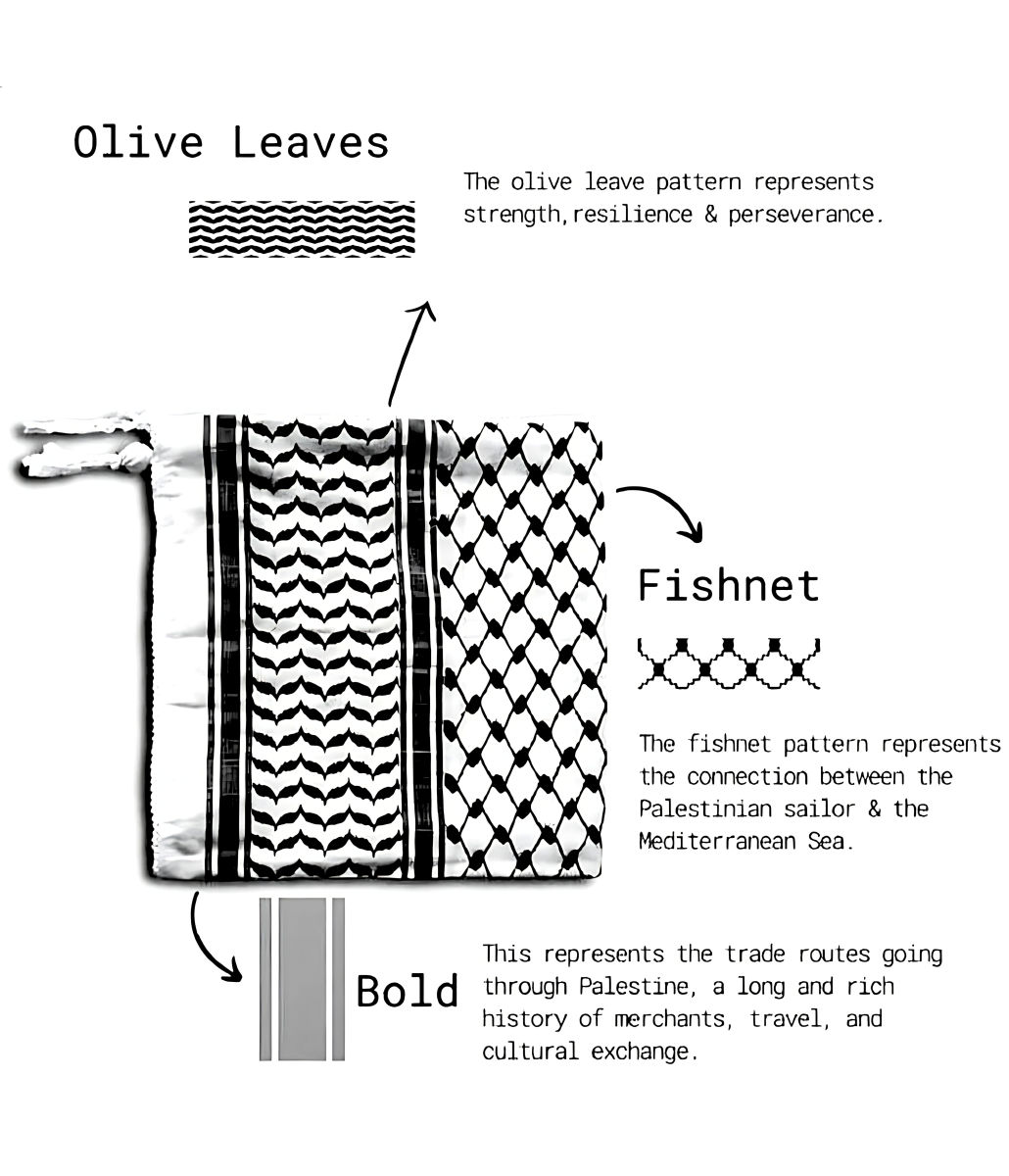
A classic Palestinian keffiyeh is a square cotton scarf with a black and white design. People also call it kufiya or kuffiyeh. The pattern mixes three main elements. You will see olive leaves along the borders. You will see a net across the field. You will see bold lines that cross the grid. Together they turn a useful cloth into a sign of culture and community.
Olive leaves and what they mean
Along the edges you will notice shapes that look like small leaves. These stand for the olive tree. In Palestine the olive tree signals patience and care for the land. The tree lives for many years and still gives fruit. As a result the leaf motif has come to mean strength, roots, and steady work. When you run your fingers along the border you can feel that story in the weave.
The fishnet that ties the field together
Across the surface you see a net made of crossed lines. Many read this as a link to the sea and to the people who fish it. The net can also stand for a community that holds together. Each knot joins many threads. In the same way neighbors support one another. Therefore the net is a reminder that a strong fabric comes from many strands.
The bold lines that cut across the grid
You will also see thicker bands that run through the design. These lines often stand for roads and routes. For centuries people and goods moved through Palestine. Merchants met and shared work and life. In a modern reading the lines can also speak to borders and barriers that people must cross. Either way the message is clear. The land connects and the people endure. For a concise cultural summary of these three motifs see this explainer by a major news outlet, which notes olive leaves for resilience, a fishnet for the sea, and bold lines for routes through the land. Al Jazeera
How the motifs work together?
The keffiyeh pattern is simple and rich at the same time. The leaves frame the story. The net fills the space and links the parts. The lines guide the eye and mark a path. Because the motifs repeat, the scarf looks balanced from any angle. That is why it drapes well on a shoulder or hangs clean on a wall. When you learn to read these shapes the scarf stops being only a pattern. It becomes a map of memory.
Variations you may see
Black and white is the classic Palestinian look. Red and white appears more in nearby countries. You may also see tasteful color accents. Some weaves feel dense and thick. Others feel light and airy. None is the only correct choice. Pick what suits your use and your taste. If you want a first piece that feels true to the roots choose black and white in a generous size.
How to spot a true keffiyeh pattern?
If you want a scarf that lasts and feels honest, check a few signs before you buy.
- Look for woven patterns, not printed ink
- Check that tassels are even and corners are finished well
- Read the origin and look for made in Palestine
- Scan close photos of the weave and the label
- Choose cotton or a cotton rich blend for breath and drape
For a buyer’s checklist and trusted sources, read our guide on where to buy a keffiyeh.
Why the keffiyeh pattern still matters?
People wear the keffiyeh for warmth, shade, and style. People also wear it to say who they stand with. The same scarf can do both at once. It protects a face from dust and it carries a story on the street. That mix of use and meaning is why the keffiyeh pattern travels so far and stays so clear.
Quick answers
Is the fishnet always the same?
No. Makers adjust the size of the grid and the angle of the lines. The look stays true even when the net changes a little.
Do the olive leaves mean peace?
Many read the olive leaf as a sign of peace, patience, and roots. It is tied to farming and family life and to a long view of time.
Are the bold lines only about roads?
Some read them as routes and trade. Others see modern borders and obstacles. Both readings can stand side by side.
How should I care for my keffiyeh pattern?
Wash in cold water on a gentle cycle or by hand. Then air dry flat or on a rack. The pattern will stay sharp and the tassels will hold their shape.